About
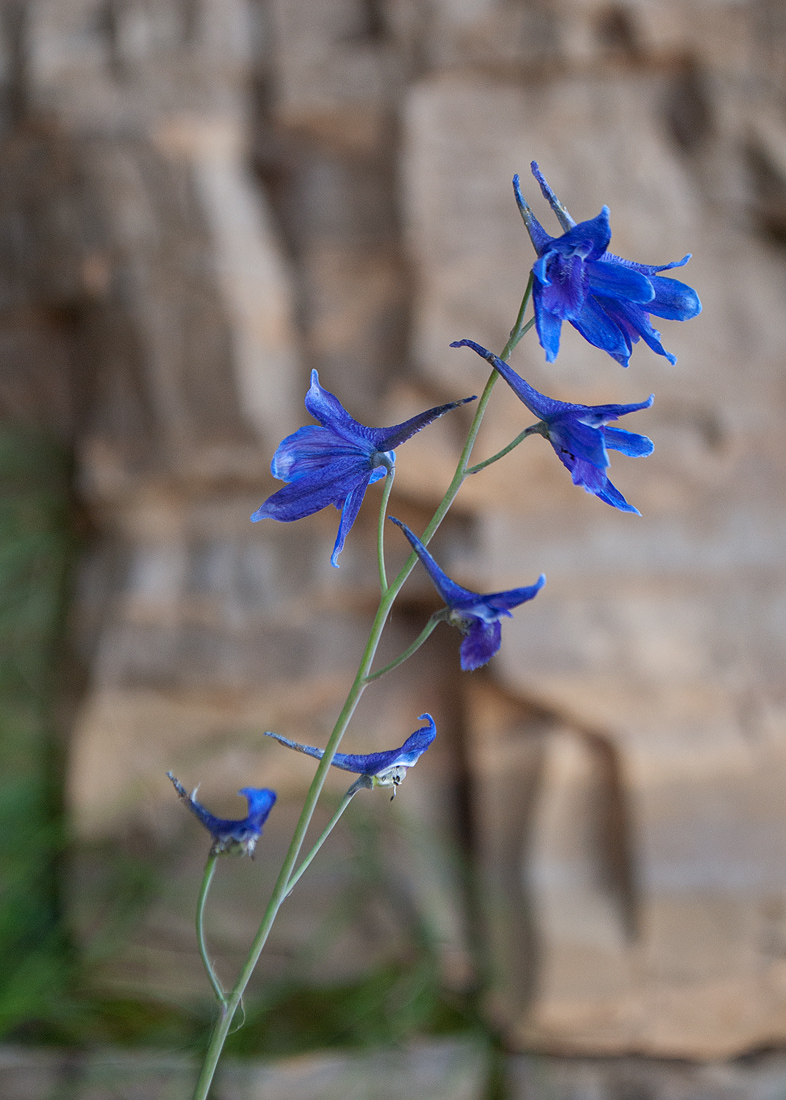
Delphinium requienii is a member of the genus Delphinium in the buttercup family Ranunculaceae and is commonly called Larkspur. It flowers from June to August. The plant is harmful if eaten, so wear gloves and other protective equipment when handling. For further information and contact numbers regarding pets, see the HTA guide to potentially harmful plants.
About the genus
Delphinium is a genus of about 300 species of annual and perennial flowering plants in the family Ranunculaceae, native throughout the Northern Hemisphere and also on the high mountains of tropical Africa. The genus was erected by Carl Linnaeus.
Wikipedia contributors, "Delphinium", CC BY-SA 4.0 — Delphinium
In the garden
Delphinium requienii sits within the Delphinium group (family Ranunculaceae) and is sold under the common name larkspur. Flowering takes place in the UK from June to August. Because it is harmful if eaten, handle plants with gloves and other protective equipment and follow the HTA guide to potentially harmful plants for pet contact details. Requirements vary across Delphinium species, so check the supplier’s notes or plant label for precise advice on site, soil and hardiness before planting. As a precautionary approach, allow good air movement around plants and consider support where stems are tall; these measures reduce physical damage and make handling safer. Remove spent flower stems if you need to manage seeding or tidy the bed. Use Delphinium requienii where its summer flowering can be appreciated and where access for safe handling is available; place it where spikes will be visible from paths or windows and away from areas frequented by children or pets. When buying, ask the nursery for cultivar-specific guidance so you can match the plant to your space and seasonal plan.
Plant details
Delphinium requienii size, habit and characteristics
- Toxicity
- Humans/Pets: Harmful if eaten. Wear gloves and other protective equipment when handling. For further information and contact numbers regarding pets, see the HTA guide to potentially harmful plants
Frequently asked questions
Is Delphinium requienii toxic?
Humans/Pets: Harmful if eaten. Wear gloves and other protective equipment when handling. For further information and contact numbers regarding pets, see the HTA guide to potentially harmful plants.
From the Fenn Plants journal
- Notes on DaffodilsWhen to plant daffodil bulbs in the UK, how deep, how to naturalise them in grass, why daffodils stop flowering (“blindness”), and why you should never mix cut daffodils with other flowers.
- Keeping Your NerveHow to garden through a heatwave — the best time to water, why deep soaks beat daily sprinkles, caring for pots and vulnerable plants, and why you can let the lawn go brown.
- Made to LastHow to clean, store and protect garden pots and planters — the frost-proof vs frost-resistant difference, winter care for terracotta and ceramic, and how to reuse a broken pot.
More in the Delphinium genus
- Delphinium 'Nora Ferguson'Larkspur

- Delphinium Hybrids, BelladonnaLarkspur

- Delphinium cardinalecardinal larkspur

- Delphinium cheilanthumgarland larkspur
- Delphinium elatumalpine delphinium

- Delphinium grandiflorumlarge-flowered delphinium

- Delphinium grandiflorum 'Azure Fairy'Larkspur
- Delphinium grandiflorum 'Blue Butterfly'delphinium 'Blue Butterfly'