Overview
Delphinium grandiflorum 'Blue Butterfly' is a perennial in the genus Delphinium, part of the Ranunculaceae family. Delphinium grandiflorum 'Blue Butterfly' grows best in full sun and partial shade, and tolerates well-drained and loamy soils and neutral and slightly alkaline pH. Its UK hardiness is rated H5. Suggested uses include borders and cut flowers. It is native to Russia and China.
About
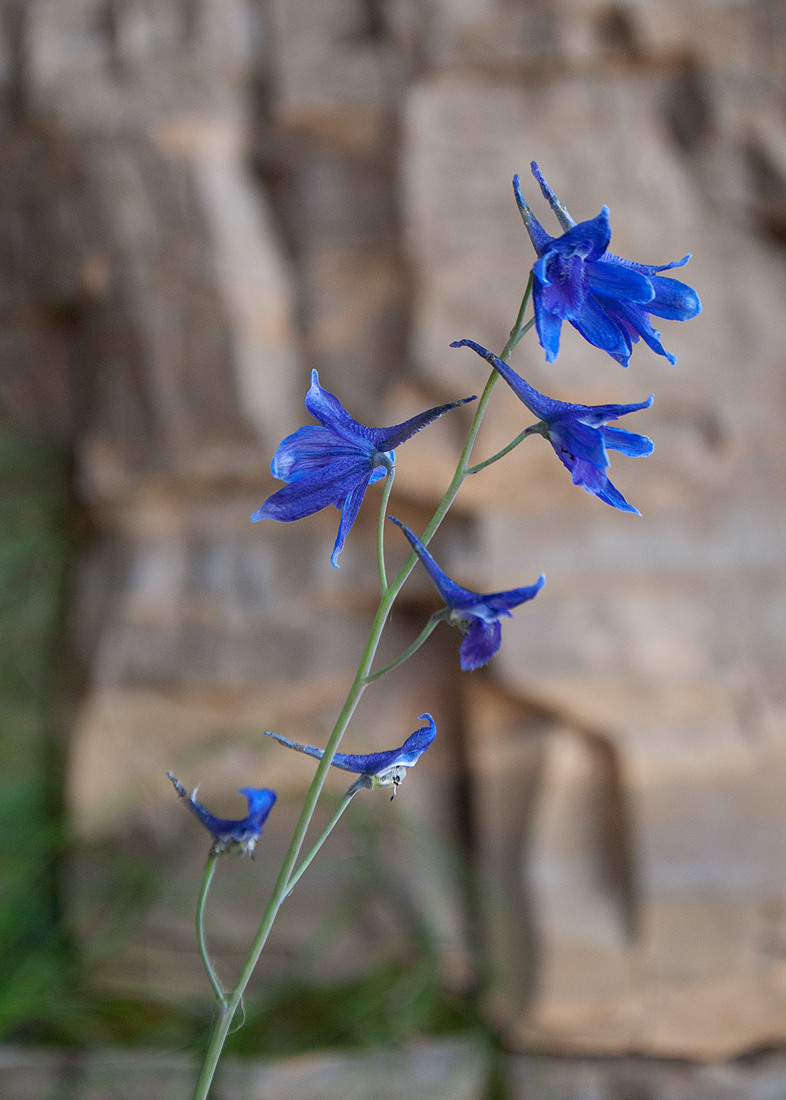
Delphinium grandiflorum 'Blue Butterfly' is a perennial larkspur valued for its flowering stems, used both in mixed borders and as cut flowers. It belongs to the Ranunculaceae and is native to Russia and China. Plant in full sun or partial shade in a well-drained loamy soil that remains moist and is neutral to slightly alkaline, in a sheltered position; it carries an H5 hardiness rating in the UK. Flowering runs from June to August and all parts are harmful if eaten, so wear gloves when handling.
Wikipedia contributors, CC BY-SA 4.0 — Delphinium grandiflorum
About the genus
Delphinium is a genus of about 300 species of annual and perennial flowering plants in the family Ranunculaceae, native throughout the Northern Hemisphere and also on the high mountains of tropical Africa. The genus was erected by Carl Linnaeus.
Wikipedia contributors, "Delphinium", CC BY-SA 4.0 — Delphinium
In the garden
Delphinium grandiflorum 'Blue Butterfly' is a perennial member of the Ranunculaceae, originating from Russia and China and grown primarily for its flowering stems in borders and for cutting. As a cultivar of Chinese/Siberian larkspur, it is treated as a garden perennial and is commonly placed where its bloom period can be seen and cut for arrangements. Site it where it receives full sun or partial shade and where the soil is well drained and loamy with a neutral to slightly alkaline pH. The roots prefer the soil to remain moist without waterlogging; choose a sheltered aspect to reduce exposure to cold winds. The plant is rated H5 (hardy), meaning it will tolerate most UK winter conditions when given that sheltered position. Use it in mixed borders and for fresh flowers; stems make straightforward additions to seasonal arrangements. Because the plant is harmful if eaten, wear gloves and other protective equipment when handling, and keep cuttings and foliage away from children and pets — for further information and contact numbers regarding pet risks consult the HTA guide to potentially harmful plants.
Growing conditions
Best soil and position for Delphinium
- Sunlight
- full sun, partial shade
- Soil type
- well-drained, loamy
- Soil pH
- neutral, slightly alkaline
- Soil moisture
- moist
- Exposure
- sheltered
- UK hardiness
- H5
Plant details
Delphinium grandiflorum 'Blue Butterfly' size, habit and characteristics
- Plant type
- perennial
- Suggested uses
- borders, cut flowers
- Native to
- Russia, China
- Toxicity
- Humans/Pets: Harmful if eaten. Wear gloves and other protective equipment when handling. For further information and contact numbers regarding pets, see the HTA guide to potentially harmful plants
Care notes
Pruning and caring for Delphinium grandiflorum 'Blue Butterfly'
- Cultivation
- Prefers well-drained soil and a sheltered position. Avoid waterlogged conditions. Stake tall varieties to prevent flopping.
- Pruning
- Cut back after flowering to encourage a second flush and maintain plant shape.
- Propagation
- Seed, division
Frequently asked questions
How do I grow Delphinium grandiflorum 'Blue Butterfly'?
Prefers well-drained soil and a sheltered position. Avoid waterlogged conditions. Stake tall varieties to prevent flopping.
Where is the best place to plant Delphinium grandiflorum 'Blue Butterfly'?
Delphinium grandiflorum 'Blue Butterfly' prefers full sun and partial shade. It suits sheltered positions.
What soil does Delphinium grandiflorum 'Blue Butterfly' need?
Delphinium grandiflorum 'Blue Butterfly' grows best in well-drained and loamy soil. It prefers neutral and slightly alkaline soil. Aim for soil that stays moist.
How do I prune Delphinium grandiflorum 'Blue Butterfly'?
Cut back after flowering to encourage a second flush and maintain plant shape.
Is Delphinium grandiflorum 'Blue Butterfly' hardy in the UK?
Delphinium grandiflorum 'Blue Butterfly' has an RHS hardiness rating of H5, meaning it is hardy in most of the UK, tolerating -15 to -10°C.
How do I propagate Delphinium grandiflorum 'Blue Butterfly'?
Seed, division.
Is Delphinium grandiflorum 'Blue Butterfly' toxic?
Humans/Pets: Harmful if eaten. Wear gloves and other protective equipment when handling. For further information and contact numbers regarding pets, see the HTA guide to potentially harmful plants.
More in the Delphinium genus
- Delphinium 'Nora Ferguson'Larkspur

- Delphinium Hybrids, BelladonnaLarkspur

- Delphinium cheilanthumgarland larkspur
- Delphinium grandiflorum 'Hunky Dory White'Siberian Larkspur

- Delphinium requieniiLarkspur

- Delphinium tatsienenseLarkspur

- Delphinium × ruysii 'Pink Sensation'delphinium 'Pink Sensation'

- Delphinium 'Centurion White' (Centurion Series)delphinium 'Centurion White'