Overview
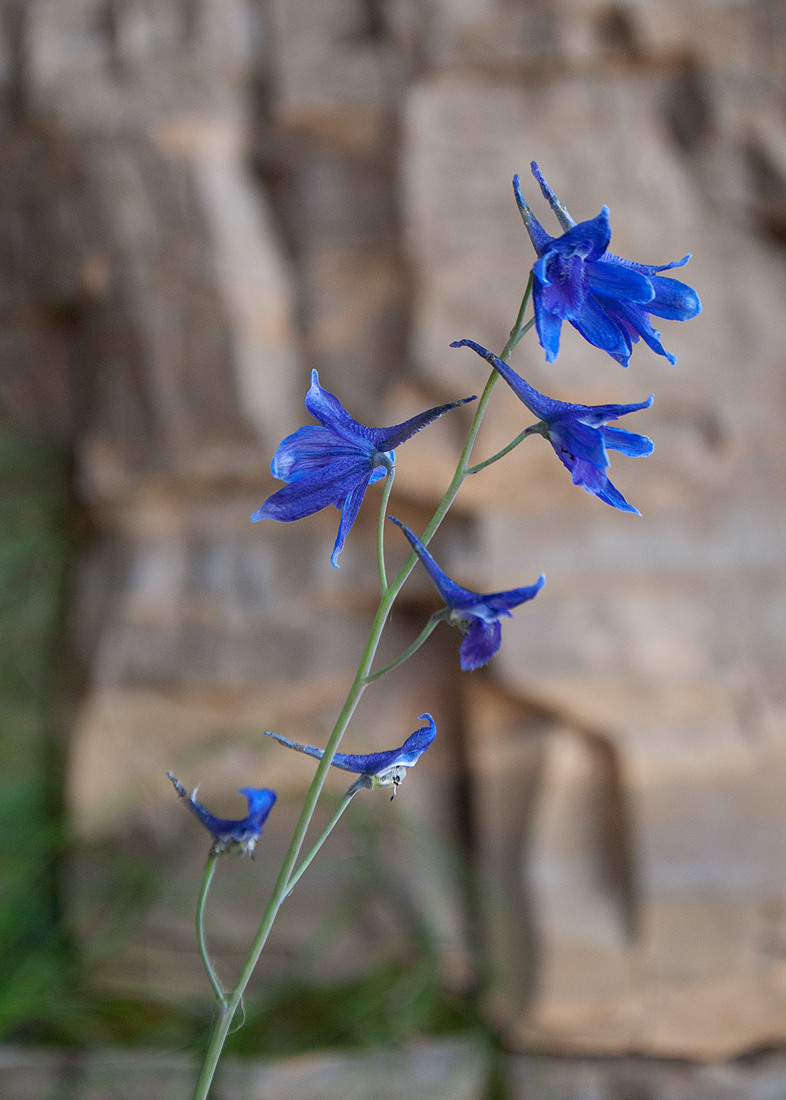
Delphinium Hybrids, Belladonna is a perennial in the genus Delphinium, part of the Ranunculaceae family. Delphinium Hybrids, Belladonna grows best in full sun and partial shade, and tolerates well-drained and rich soils and neutral and slightly alkaline pH. Its UK hardiness is rated H5. Suggested uses include borders and cuts.
About
Delphinium Hybrids, Belladonna is a perennial Delphinium (larkspur) in the Ranunculaceae, grown as a garden hybrid for summer flowering. It prefers a south-facing, sheltered site in full sun or partial shade and performs best in rich, well-drained soil that remains moist and is neutral to slightly alkaline. Rated H5, it is hardy across most of the UK and suits borders and cutting beds. All parts of the plant are toxic, so avoid locations accessible to children or livestock.
About the genus
Delphinium is a genus of about 300 species of annual and perennial flowering plants in the family Ranunculaceae, native throughout the Northern Hemisphere and also on the high mountains of tropical Africa. The genus was erected by Carl Linnaeus.
Wikipedia contributors, "Delphinium", CC BY-SA 4.0 — Delphinium
In the garden
A group of cultivated Delphinium Hybrids, Belladonna represents hybrid breeding within the Delphinium genus and is treated as a perennial in garden schemes. As a member of the Ranunculaceae it is grown for its summer flowering habit and is handled like other garden delphiniums that need a sunny, protected place. Site selection matters: choose a south-facing, sheltered position in full sun to partial shade and a rich, well-drained soil that keeps an even level of moisture. The soil should be neutral to slightly alkaline to suit the plant’s preference. The H5 rating means it is classed as hardy in UK gardens and will tolerate typical winter conditions in most areas. Use Delphinium Hybrids, Belladonna towards the rear of mixed borders or in a dedicated cutting patch where its flower stems can be harvested. Take care when handling and siting the plants because all parts are toxic. Flowering runs from June to August, supplying stems that work well for summer bouquets and border height through mid to late summer.
Growing conditions
Best soil and position for Delphinium
- Sunlight
- full sun, partial shade
- Soil type
- well-drained, rich
- Soil pH
- neutral, slightly alkaline
- Soil moisture
- moist
- Aspect
- south-facing
- Exposure
- sheltered
- UK hardiness
- H5
Plant details
Delphinium Hybrids, Belladonna size, habit and characteristics
- Plant type
- perennial
- Suggested uses
- borders, cuts
- Toxicity
- toxic
Care notes
Pruning and caring for Delphinium Hybrids, Belladonna
- Cultivation
- Plant in fertile, well-drained soil in a sunny, sheltered spot. Provide support for tall flower spikes. Water regularly during dry periods.
- Pruning
- Cut back flower spikes after blooming to encourage a tidy appearance and possible rebloom.
- Propagation
- seed,division
Frequently asked questions
How do I grow Delphinium Hybrids, Belladonna?
Plant in fertile, well-drained soil in a sunny, sheltered spot. Provide support for tall flower spikes. Water regularly during dry periods.
Where is the best place to plant Delphinium Hybrids, Belladonna?
Delphinium Hybrids, Belladonna prefers full sun and partial shade. It suits sheltered positions.
What soil does Delphinium Hybrids, Belladonna need?
Delphinium Hybrids, Belladonna grows best in well-drained and rich soil. It prefers neutral and slightly alkaline soil. Aim for soil that stays moist.
How do I prune Delphinium Hybrids, Belladonna?
Cut back flower spikes after blooming to encourage a tidy appearance and possible rebloom.
Is Delphinium Hybrids, Belladonna hardy in the UK?
Delphinium Hybrids, Belladonna has an RHS hardiness rating of H5, meaning it is hardy in most of the UK, tolerating -15 to -10°C.
How do I propagate Delphinium Hybrids, Belladonna?
Seed,division.
Is Delphinium Hybrids, Belladonna toxic?
Toxic.
More in the Delphinium genus
- Delphinium 'Nora Ferguson'Larkspur

- Delphinium cheilanthumgarland larkspur
- Delphinium grandiflorum 'Hunky Dory White'Siberian Larkspur

- Delphinium requieniiLarkspur

- Delphinium tatsienenseLarkspur

- Delphinium × ruysii 'Pink Sensation'delphinium 'Pink Sensation'

- Delphinium 'Centurion White' (Centurion Series)delphinium 'Centurion White'
- Delphinium 'Clifford Pink'Larkspur