Overview
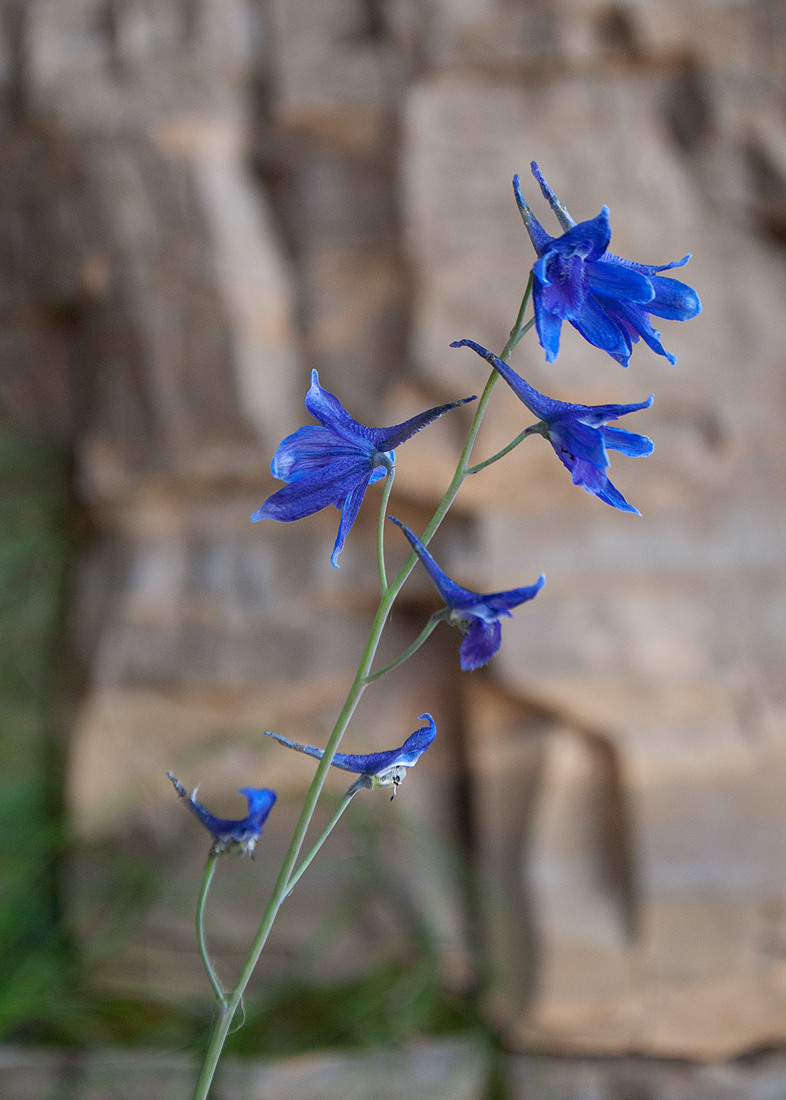
Delphinium elatum is a herbaceous perennial in the genus Delphinium, part of the Ranunculaceae family. It typically grows around 1.0 m tall. Delphinium elatum grows best in full sun, and tolerates most soils. Its UK hardiness is rated H7. It is native to Europe to N & C Asia.
About
Delphinium elatum is an herbaceous perennial grown for its vertical spikes of blue or purple flowers that appear from June to August. It typically reaches about 1.0 m and carries deeply divided leaves. Plant in full sun on a moist but well-drained soil mix ranging from sandy to clay loams. Handle with care: all parts are harmful if eaten and gloves should be worn when handling.
Wikipedia contributors, CC BY-SA 4.0 — Delphinium elatum
About the genus
Delphinium is a genus of about 300 species of annual and perennial flowering plants in the family Ranunculaceae, native throughout the Northern Hemisphere and also on the high mountains of tropical Africa. The genus was erected by Carl Linnaeus.
Wikipedia contributors, "Delphinium", CC BY-SA 4.0 — Delphinium
In the garden
Delphinium elatum is a herbaceous perennial native from Europe to north and central Asia and valued for tall, erect flower spikes. In the UK it flowers from June to August and is commonly selected where summer colour and height are needed within a mixed herbaceous scheme. Give the plant a sunny position with soil that retains moisture yet drains freely; it tolerates sandy, loamy and clay soils provided they are not waterlogged. The UK hardiness rating H7 equates to fully hardy, and the species also falls within USDA zones 4–7, so it survives typical winter conditions in Britain. Expect plants to reach roughly 1.0 m, which makes them suitable for mid-border placement where their vertical form can be seen without obscuring lower companions. Alpine delphinium suits the centre or back of mixed borders and can be used where spring bulbs or lower perennials provide a stage beneath the flowering spikes. Wear protective gloves and other equipment when planting, pruning or dividing, and consult the HTA guide to potentially harmful plants for further information and contact numbers regarding pets. All parts of the plant are harmful if ingested, so store prunings securely and keep children and animals away from cut material.
Growing conditions
Best soil and position for Delphinium
- Sunlight
- Full sun
- Soil type
- Sandy, Loamy, Clay
- Soil moisture
- Moist but well-drained
- UK hardiness
- H7
Plant details
Delphinium elatum size, habit and characteristics
- Plant type
- Herbaceous perennial
- Height
- 1.0 m
- Native to
- Europe to N & C Asia
- Toxicity
- Humans/Pets: Harmful if eaten. Wear gloves and other protective equipment when handling. For further information and contact numbers regarding pets, see the HTA guide to potentially harmful plants
Frequently asked questions
Where is the best place to plant Delphinium elatum?
Delphinium elatum prefers full sun.
What soil does Delphinium elatum need?
Delphinium elatum is adaptable and grows happily in most soil types, including sandy, loamy and clay. Aim for soil that stays moist but well-drained.
How big does Delphinium elatum grow?
Delphinium elatum reaches a height of 1.0 m.
Is Delphinium elatum hardy in the UK?
Delphinium elatum has an RHS hardiness rating of H7, meaning it is fully hardy throughout the UK, tolerating temperatures below -20°C.
Is Delphinium elatum toxic?
Humans/Pets: Harmful if eaten. Wear gloves and other protective equipment when handling. For further information and contact numbers regarding pets, see the HTA guide to potentially harmful plants.
More in the Delphinium genus
- Delphinium 'Nora Ferguson'Larkspur

- Delphinium Hybrids, BelladonnaLarkspur

- Delphinium cheilanthumgarland larkspur
- Delphinium grandiflorum 'Hunky Dory White'Siberian Larkspur

- Delphinium requieniiLarkspur

- Delphinium tatsienenseLarkspur

- Delphinium × ruysii 'Pink Sensation'delphinium 'Pink Sensation'

- Delphinium 'Centurion White' (Centurion Series)delphinium 'Centurion White'