Overview
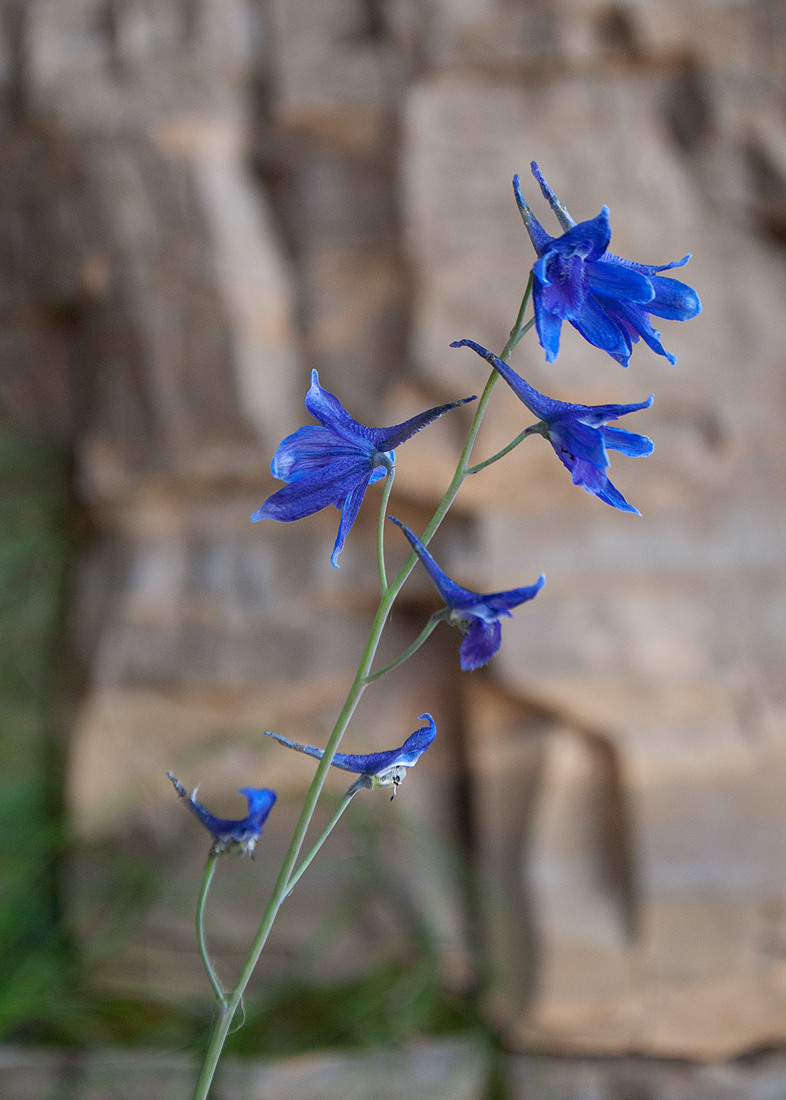
Delphinium elatum 'Summer Skies' is a herbaceous perennial in the genus Delphinium, part of the Ranunculaceae family. It typically grows around 1.0 m tall. Delphinium elatum 'Summer Skies' grows best in full sun, and tolerates most soils. Its UK hardiness is rated H7. It is native to Temperate Asia and Europe.
About
Delphinium elatum is a species of flowering plant in the buttercup family Ranunculaceae, known by the common names alpine delphinium, bee larkspur, or candle larkspur. It is native to temperate Asia and Europe, it is an erect herbaceous perennial growing to 1.8 m (5.9 ft), with deeply divided leaves.
Wikipedia contributors, CC BY-SA 4.0 — Delphinium elatum
About the genus
Delphinium is a genus of about 300 species of annual and perennial flowering plants in the family Ranunculaceae, native throughout the Northern Hemisphere and also on the high mountains of tropical Africa. The genus was erected by Carl Linnaeus.
Wikipedia contributors, "Delphinium", CC BY-SA 4.0 — Delphinium
Growing conditions
Best soil and position for Delphinium
- Sunlight
- Full sun
- Soil type
- Sandy, Loamy, Clay
- Soil moisture
- Moist but well-drained
- Exposure
- Full sun
- UK hardiness
- H7
Plant details
Delphinium elatum 'Summer Skies' size, habit and characteristics
- Plant type
- Herbaceous perennial
- Height
- 1.0 m
- Native to
- Temperate Asia, Europe
Frequently asked questions
Where is the best place to plant Delphinium elatum 'Summer Skies'?
Delphinium elatum 'Summer Skies' prefers full sun. It suits full sun positions.
What soil does Delphinium elatum 'Summer Skies' need?
Delphinium elatum 'Summer Skies' is adaptable and grows happily in most soil types, including sandy, loamy and clay. Aim for soil that stays moist but well-drained.
How big does Delphinium elatum 'Summer Skies' grow?
Delphinium elatum 'Summer Skies' reaches a height of 1.0 m.
Is Delphinium elatum 'Summer Skies' hardy in the UK?
Delphinium elatum 'Summer Skies' has an RHS hardiness rating of H7, meaning it is fully hardy throughout the UK, tolerating temperatures below -20°C.
More in the Delphinium genus
- Delphinium 'Nora Ferguson'Larkspur

- Delphinium Hybrids, BelladonnaLarkspur

- Delphinium cheilanthumgarland larkspur
- Delphinium grandiflorum 'Hunky Dory White'Siberian Larkspur

- Delphinium requieniiLarkspur

- Delphinium tatsienenseLarkspur

- Delphinium × ruysii 'Pink Sensation'delphinium 'Pink Sensation'

- Delphinium 'Centurion White' (Centurion Series)delphinium 'Centurion White'