Overview
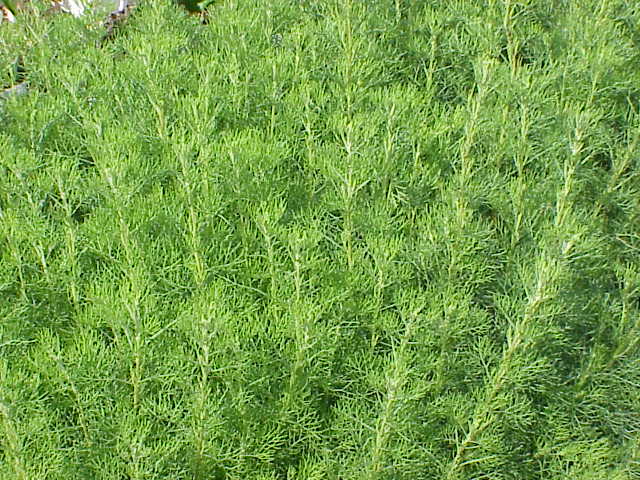
Artemisia gnaphaloides is a plant with a bushy, columnar upright, spreading branched, matforming habit in the genus Artemisia, part of the Asteraceae family, with deciduous, aromatic, silver-grey, divided leaves foliage. Artemisia gnaphaloides grows best in full sun, and tolerates most soils and any pH. Its UK hardiness is rated H6. Suggested uses include cottage and informal garden, flower borders and beds and wall side borders.
About
Artemisia gnaphaloides is a cultivar of the Artemisia genus, known for its bushy and spreading branched habit. This deciduous plant features aromatic, silver-grey divided leaves that add texture and colour to the garden. It thrives in full sun with a south- or west-facing aspect and prefers well-drained soils such as loam, sand, or chalk with a range of pH from acid to alkaline. Hardy to UK zone H6, it is suited to sheltered sites and is ideal for cottage and informal gardens, flower borders, beds, and wall side borders.
About the genus
Artemisia is a large, diverse genus of plants belonging to the daisy family, Asteraceae, with almost 500 species. Common names for various species in the genus include mugwort, wormwood, and sagebrush.
Wikipedia contributors, "Artemisia (plant)", CC BY-SA 4.0 — Artemisia (plant)
Growing conditions
Best soil and position for Artemisia
- Sunlight
- Full sun
- Soil type
- Loam, Sand, Chalk
- Soil pH
- Acid, Alkaline, Neutral
- Soil moisture
- Well-drained
- Aspect
- South-facing, West-facing
- Exposure
- Sheltered
- UK hardiness
- H6
Plant details
Artemisia gnaphaloides size, habit and characteristics
- Habit
- Bushy, Columnar upright, Spreading branched, Matforming
- Foliage
- Deciduous, Aromatic, Silver-grey, Divided leaves
- Suggested uses
- Cottage and informal garden, Flower borders and beds, Wall side borders
Care notes
Pruning and caring for Artemisia gnaphaloides
- Propagation
- Seed, Softwood cuttings, Semi-ripe cuttings
- Pest resistance
- Generally pest-free
- Disease resistance
- Susceptible to honey fungus
Frequently asked questions
Where is the best place to plant Artemisia gnaphaloides?
Artemisia gnaphaloides prefers full sun. It suits sheltered positions.
What soil does Artemisia gnaphaloides need?
Artemisia gnaphaloides is adaptable and grows happily in most soil types, including loam, sand and chalk. It is happy in soil of any pH. Aim for soil that stays well-drained.
Is Artemisia gnaphaloides hardy in the UK?
Artemisia gnaphaloides has an RHS hardiness rating of H6, meaning it is very hardy, tolerating -20 to -15°C across most of the UK.
How do I propagate Artemisia gnaphaloides?
Seed, Softwood cuttings, Semi-ripe cuttings.
More in the Artemisia genus
- Artemisia 'Coca Cola'
- Artemisia 'Valerie Finnis'

- Artemisia Pontica Roman Wormwood

- Artemisia lactiflora 'Elfenbein'White Mugwort

- Artemisia schmidtiana 'Nana'Silver Mound

- Artemisia 'Boughton Silver'
- Artemisia Indica var. Momiyamae