Overview
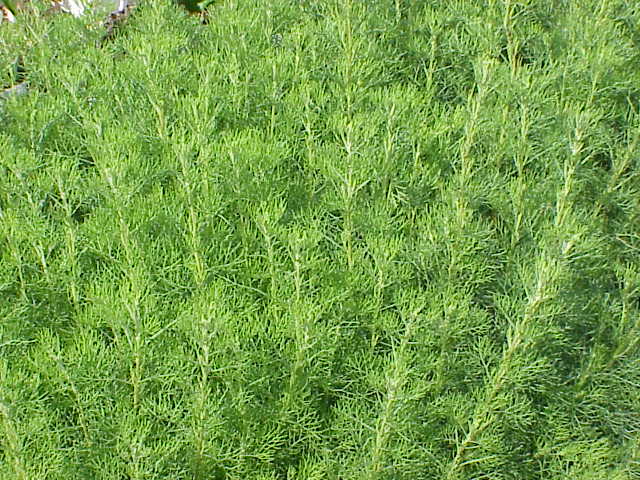
Artemisia ludoviciana is a perennial herb in the genus Artemisia, part of the Asteraceae family. It typically grows around 1.0 m tall. Artemisia ludoviciana grows best in full sun, and tolerates sandy and loamy soils. Its UK hardiness is rated H7. Suggested uses include borders, naturalizing and xeriscaping. It is native to W US and Mexico.
About
Artemisia ludoviciana is an aromatic perennial herb with a sage-like fragrance, typically reaching about 1.0 m. It prefers full sun and suits sandy or loamy soils that drain freely. Use it where a drought-tolerant, naturalising species is required. Expect flowering from July to September.
Wikipedia contributors, CC BY-SA 4.0 — Artemisia ludoviciana
About the genus
Artemisia is a large, diverse genus of plants belonging to the daisy family, Asteraceae, with almost 500 species. Common names for various species in the genus include mugwort, wormwood, and sagebrush.
Wikipedia contributors, "Artemisia (plant)", CC BY-SA 4.0 — Artemisia (plant)
In the garden
Artemisia ludoviciana belongs to the Asteraceae and originates from the western United States and Mexico. As a perennial herb it reaches roughly 1.0 m and carries a distinctive sage-like scent, making it noticeable in warm weather and useful where scent is part of the design. Plant in an open, sunny position; full sun exposure is recommended. The species favours sandy or loamy soils and performs best where soil drains well — it tolerates soils that remain only moderately moist so long as they are not waterlogged. In UK terms it carries an H7 rating, so it is fully hardy in British gardens; it is also listed for USDA zones 4–9. Use western mugwort in gravelly or dry-edge plantings, long herbaceous borders where a restrained, aromatic presence is needed, or for naturalising on banks and slopes. Its stature makes it suitable where a metre-high element is wanted without dense shading of neighbours. Flowering occurs in mid to late summer, and the plant’s scent and summer blooms can be expected to define its seasonal contribution. Expect flowering from July to September.
Growing conditions
Best soil and position for Artemisia
- Sunlight
- Full sun
- Soil type
- Sandy, Loamy
- Soil moisture
- Well-drained, Moist but well-drained
- Exposure
- Full sun
- UK hardiness
- H7
Plant details
Artemisia ludoviciana size, habit and characteristics
- Plant type
- Perennial herb
- Height
- 1.0 m
- Suggested uses
- Borders, naturalizing, xeriscaping
- Native to
- W US, Mexico
- Fragrance
- Aromatic, sage-like
Care notes
Pruning and caring for Artemisia ludoviciana
- Cultivation
- Prefers well-drained soils; drought tolerant once established
- Pruning
- Cut back in early spring to encourage fresh growth
- Propagation
- Seed, division
Frequently asked questions
How do I grow Artemisia ludoviciana?
Prefers well-drained soils; drought tolerant once established.
Where is the best place to plant Artemisia ludoviciana?
Artemisia ludoviciana prefers full sun. It suits full sun positions.
What soil does Artemisia ludoviciana need?
Artemisia ludoviciana grows best in sandy and loamy soil. Aim for soil that stays well-drained to moist but well-drained.
How do I prune Artemisia ludoviciana?
Cut back in early spring to encourage fresh growth.
How big does Artemisia ludoviciana grow?
Artemisia ludoviciana reaches a height of 1.0 m.
Is Artemisia ludoviciana hardy in the UK?
Artemisia ludoviciana has an RHS hardiness rating of H7, meaning it is fully hardy throughout the UK, tolerating temperatures below -20°C.
How do I propagate Artemisia ludoviciana?
Seed, division.
More in the Artemisia genus
- Artemisia 'Coca Cola'
- Artemisia 'Valerie Finnis'

- Artemisia Pontica Roman Wormwood

- Artemisia lactiflora 'Elfenbein'White Mugwort

- Artemisia schmidtiana 'Nana'Silver Mound

- Artemisia 'Boughton Silver'
- Artemisia Indica var. Momiyamae