Overview
Lupinus albifrons is a shrub in the genus Lupinus, part of the Fabaceae family. Lupinus albifrons grows best in full sun, and tolerates well-drained soils. It is native to California and Oregon.
About the genus
Lupinus, commonly known as lupin, lupine, or regionally bluebonnet, is a genus of plants in the legume family Fabaceae. The genus includes over 199 species, with centres of diversity in North and South America. Smaller centres occur in North Africa and the Mediterranean.
Wikipedia contributors, "Lupinus", CC BY-SA 4.0 — Lupinus
In the garden
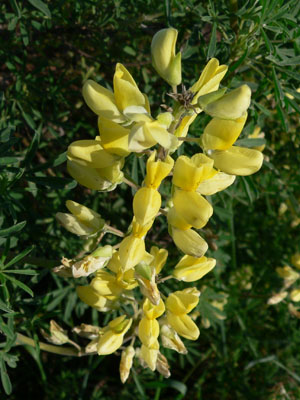
Lupinus albifrons originates from California and Oregon and is adapted to open, dry sites in its native range. As a shrub with distinctly silver, pinnate leaves it carries clusters of pale blue to violet flowers in summer (June to August). The combination of cool-toned flowers and pale foliage is a defining feature. Grow it in a sunny position with sharply drained soil; full sun and well-drained conditions suit it best, and it tolerates dry to medium soil moisture. Avoid heavy, waterlogged ground. Establish plants in a free-draining mix and give a sunny, sheltered aspect where possible; that orientation supports flowering in UK summers. In UK gardens Lupinus albifrons works well in gravel or dry borders, sunny slopes and coastal locations where drainage and exposure match its preferences. Because all parts are toxic, situate it away from play areas and where pets roam. Prune only to shape and remove dead wood, taking care with cut stems, and consider gloves when handling to reduce contact with sap.
Growing conditions
Best soil and position for Lupinus
- Sunlight
- full sun
- Soil type
- well-drained
- Soil moisture
- dry to medium
Plant details
Lupinus albifrons size, habit and characteristics
- Plant type
- shrub
- Native to
- California, Oregon
- Toxicity
- toxic
Frequently asked questions
Where is the best place to plant Lupinus albifrons?
Lupinus albifrons prefers full sun.
What soil does Lupinus albifrons need?
Lupinus albifrons grows best in well-drained soil. Aim for soil that stays dry to medium.
Is Lupinus albifrons toxic?
Toxic.
From the Fenn Plants journal
- Notes on DaffodilsWhen to plant daffodil bulbs in the UK, how deep, how to naturalise them in grass, why daffodils stop flowering (“blindness”), and why you should never mix cut daffodils with other flowers.
- Keeping Your NerveHow to garden through a heatwave — the best time to water, why deep soaks beat daily sprinkles, caring for pots and vulnerable plants, and why you can let the lawn go brown.
- Made to LastHow to clean, store and protect garden pots and planters — the frost-proof vs frost-resistant difference, winter care for terracotta and ceramic, and how to reuse a broken pot.
More in the Lupinus genus
- Lupinus arboreustree lupin
- Lupinus polyphyllusbigleaf lupin

- Lupinus polyphyllus 'Downer's Delight'Large-Leaved Lupine
- Lupinus polyphyllus 'Pink Pearls'Garden Lupin
- Lupinus albifrons var. douglasiiSilver Lupine
- Lupinus ornatusLupin