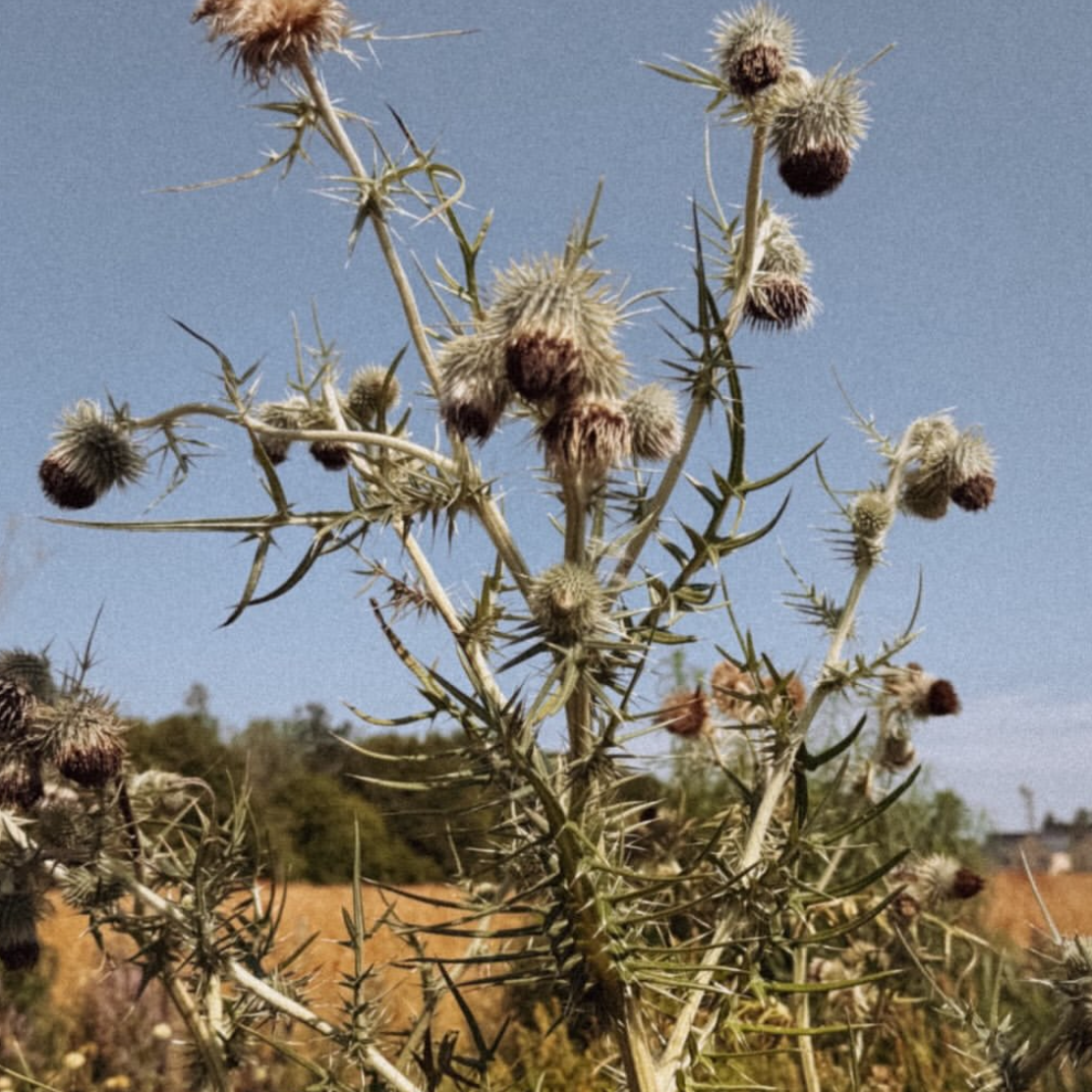
About
Cirsium velenowskyi is a species in the genus Cirsium of the family Asteraceae and is recorded to flower from July to September. The botanical placement gives a starting point for identification and for seeking cultivation guidance from specialist references. Nursery labels and provenance matter for correct naming and appropriate use in planting schemes. Expect its main above-ground interest to occur during the July–September flowering window.
Wikipedia contributors, CC BY-SA 4.0 — Cirsium eriophorum
About the genus
Cirsium is a genus of perennial and biennial flowering plants in the Asteraceae, one of several genera known commonly as thistles. They are more precisely known as plume thistles. These differ from other thistle genera in having a seed with a pappus of feathered hairs on their achenes.
Wikipedia contributors, "Cirsium", CC BY-SA 4.0 — Cirsium
In the garden
Cirsium velenowskyi belongs to the genus Cirsium within the composite family Asteraceae and produces its flowering display from July to September. Exact details of habit, size and site preference vary between species in this genus, so confirm those specifics from the supplier or authoritative botanical sources before purchase. When planning to grow Cirsium velenowskyi, use the plant name on the label to locate culture notes from a reputable nursery or botanical reference. If you are ordering mail‑order or buying online, request provenance and any cultivation instructions the grower provides; these will be the best guide to soil type, exposure and maintenance for this species. Place the plant where its July–September flowering period will be visible and suited to your garden management style, for example within a managed wild area or a less intensively cultivated border where seasonal flowering is acceptable. Check local guidance on planting species of Cirsium if you are working in protected habitats or conservation-minded schemes. The species’ defined flowering months give a reliable timetable for pruning, documenting, or observing flowering plants in a UK garden.