About
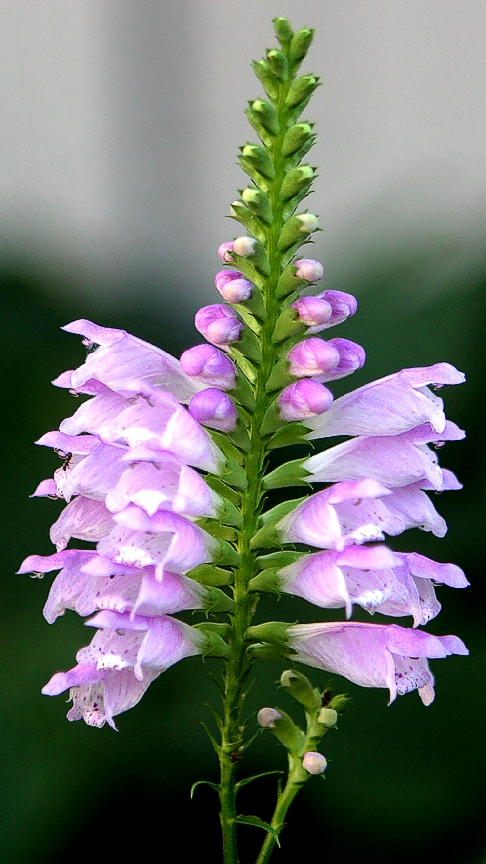
Physostegia 'Vivid' is a cultivar of the Physostegia genus, an erect, rhizomatous herbaceous perennial in the mint family Lamiaceae that bears tubular purple to pink flowers in racemes. It favours damp, sunny places and spreads by underground rhizomes to form clumps. Flowering takes place from July to September. The calyx becomes filled with fruit as seeds develop.
About the genus
Physostegia, the lionshearts or false dragonheads, is a genus of flowering plants in the family Lamiaceae, native to North America. They are erect rhizomatous herbaceous perennials inhabiting damp, sunny places.
In the garden
Physostegia 'Vivid' belongs to the North American genus Physostegia and sits in the mint family Lamiaceae. Plants in this group produce upright, rhizomatous stems and summer racemes of tubular flowers; the genus includes specimens that may reach up to 2 m tall. The cultivar name indicates a selected garden form of this wild lineage. Site choice should mirror its native preference for damp, sunny places: a position in full sun with reliably moist soil will suit it best. Because it spreads by rhizomes, leave room for clump expansion and avoid extremely dry spots; a firm planting site near marginal beds, drains or moisture-retentive borders reduces the need for frequent watering. In a UK garden it works well at the back of a herbaceous border, beside ponds and ditches, or wherever summer vertical interest is required. Expect bloom from July to September, when its purple-to-pink spires are most conspicuous. As the season progresses, the calyx becomes inflated with developing fruit, a useful identification feature when seedheads form.
From the Fenn Plants journal
- Notes on DaffodilsWhen to plant daffodil bulbs in the UK, how deep, how to naturalise them in grass, why daffodils stop flowering (“blindness”), and why you should never mix cut daffodils with other flowers.
- Keeping Your NerveHow to garden through a heatwave — the best time to water, why deep soaks beat daily sprinkles, caring for pots and vulnerable plants, and why you can let the lawn go brown.
- Made to LastHow to clean, store and protect garden pots and planters — the frost-proof vs frost-resistant difference, winter care for terracotta and ceramic, and how to reuse a broken pot.
More in the Physostegia genus
- Physostegia 'Summer Snow'

- Physostegia virginianaobedient plant
- Physostegia virginiana speciosa 'Rose Bouquet'Obedient Plant

- Physostegia 'Alba'White Obedient Plant