Overview
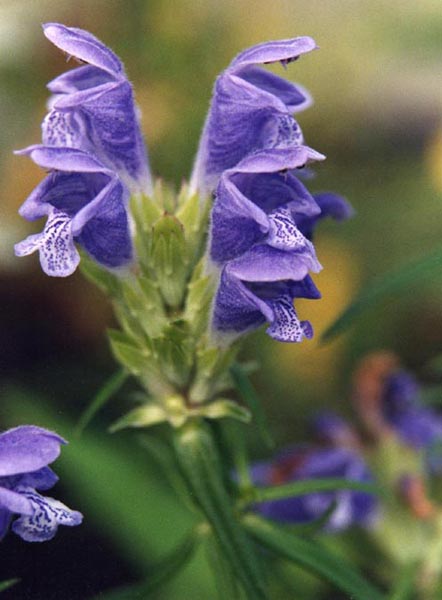
Dracocephalum forrestii is a perennial herb in the genus Dracocephalum, part of the Lamiaceae family. Dracocephalum forrestii grows best in full sun and partial shade, and tolerates well-drained and loamy or sandy soil soils and neutral to slightly alkaline pH. Its UK hardiness is rated H5. Suggested uses include rock gardens, borders and herb gardens. It is native to China.
About
Dracocephalum forrestii is a perennial herb with aromatic leaves and summer flowering. It flowers from July to September. Native to China, it favours well-drained loamy or sandy soils of neutral to slightly alkaline reaction. It grows best in full sun or partial shade on a south-facing site and carries a UK hardiness rating of H5.
About the genus
Dracocephalum is a genus of flowering plants in the family Lamiaceae, native to temperate regions of the Northern Hemisphere. These flowers, collectively called dragonhead, are annual or perennial herbaceous plants or subshrubs, growing to 15 to 90 centimeters tall. The genus has 89 species as currently circumscribed, which includes the formerly separate genera Hyssopus, Lallemantia, and others.
Wikipedia contributors, "Dracocephalum", CC BY-SA 4.0 — Dracocephalum
In the garden
A perennial herb from China, Dracocephalum forrestii brings aromatic foliage and a clear summer flowering period from July to September. The plant suits sunny to partially shaded spots and tolerates locations from sheltered to exposed, making it adaptable across many garden situations where a south-facing aspect can be offered. Plant into well-drained loamy or sandy soil with a neutral to slightly alkaline pH and avoid waterlogged ground; the species prefers a moderate soil moisture regime. Its UK hardiness rating H5 indicates it is hardy through typical winter conditions in most parts of the country when given appropriate drainage and a reasonably sunny position. Use Dracocephalum forrestii in rock gardens, herb beds and at the front of borders where its aromatic leaves can be appreciated. Flowering in mid to late summer, it provides seasonal interest when many shrubs have finished, and its scent rewards close-up planting in herb gardens and pathways.
Growing conditions
Best soil and position for Dracocephalum
- Sunlight
- full sun, partial shade
- Soil type
- well-drained, loamy or sandy soil
- Soil pH
- neutral to slightly alkaline
- Soil moisture
- moderate
- Aspect
- south-facing
- Exposure
- sheltered to exposed
- UK hardiness
- H5
Plant details
Dracocephalum forrestii size, habit and characteristics
- Plant type
- perennial herb
- Suggested uses
- rock gardens, borders, herb gardens
- Native to
- China
- Fragrance
- aromatic leaves
Care notes
Pruning and caring for Dracocephalum forrestii
- Cultivation
- Prefers well-drained soil and a sunny position; avoid waterlogging.
- Pruning
- Cut back after flowering to maintain shape and encourage bushiness.
- Propagation
- seed, cuttings
Frequently asked questions
How do I grow Dracocephalum forrestii?
Prefers well-drained soil and a sunny position; avoid waterlogging.
Where is the best place to plant Dracocephalum forrestii?
Dracocephalum forrestii prefers full sun and partial shade. It suits sheltered to exposed positions.
What soil does Dracocephalum forrestii need?
Dracocephalum forrestii grows best in well-drained and loamy or sandy soil soil. It prefers neutral to slightly alkaline soil. Aim for soil that stays moderate.
How do I prune Dracocephalum forrestii?
Cut back after flowering to maintain shape and encourage bushiness.
Is Dracocephalum forrestii hardy in the UK?
Dracocephalum forrestii has an RHS hardiness rating of H5, meaning it is hardy in most of the UK, tolerating -15 to -10°C.
How do I propagate Dracocephalum forrestii?
Seed, cuttings.
More in the Dracocephalum genus
- Dracocephalumdragon head
- Dracocephalum isabellaeDragon's Head

- Dracocephalum arguense 'Fuji Blue'
- Dracocephalum ruyschianumDragon's Head
- Dracocephalum tanguticumDragon's Head
- Dracopcephalum rupestre