Overview
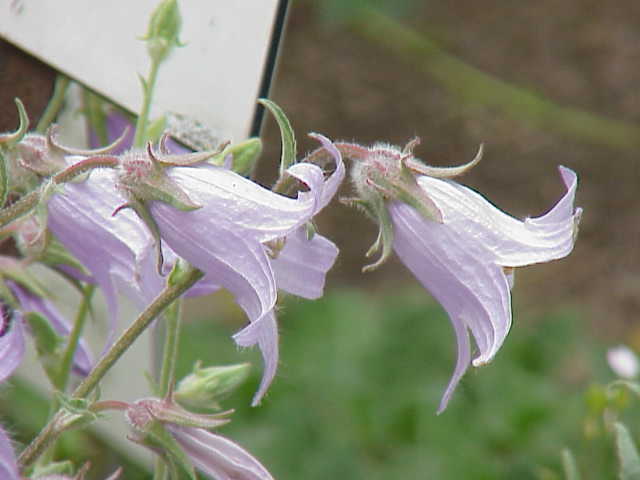
Campanula alpestris is a bushy, mat-forming, dwarf perennials, herbaceous species herbaceous perennial in the genus Campanula, part of the Campanulaceae family, with deciduous foliage. Campanula alpestris grows best in full sun and partial shade, and tolerates most soils and any pH. Its UK hardiness is rated H5, H6, H7. Suggested uses include flower borders and beds, cottage and informal garden, wildlife gardens and ground cover.
About
Campanula alpestris is a herbaceous perennial cultivar within the Campanula genus, known for its bushy, mat-forming, dwarf habit. This deciduous plant thrives in full sun or partial shade, preferring sheltered, south-, east-, or west-facing aspects. It grows well in a variety of soil types, including chalk, clay, loam, and sand, with moist but well-drained conditions and a pH range from acid to alkaline. Hardy in UK zones H5 to H7, it is suitable for flower borders, cottage gardens, wildlife gardens, and as ground cover. Interest is primarily in spring and winter, with planting recommended after the last frost in fertile soil.
About the genus
Campanula is the type genus of the Campanulaceae family of flowering plants. Campanula are commonly known as bellflowers and take both their common and scientific names from the bell-shaped flowers—campanula is Latin for "little bell".
Wikipedia contributors, "Campanula", CC BY-SA 4.0 — Campanula
Growing conditions
Best soil and position for Campanula
- Sunlight
- Full sun, Partial shade
- Soil type
- Chalk, Clay, Loam, Sand
- Soil pH
- Acid, Alkaline, Neutral
- Soil moisture
- Moist but well-drained
- Aspect
- South-facing, East-facing, West-facing
- Exposure
- Sheltered
- UK hardiness
- H5, H6, H7
Plant details
Campanula alpestris size, habit and characteristics
- Plant type
- Herbaceous Perennial
- Habit
- Bushy, Mat-forming, Dwarf perennials, Herbaceous species
- Foliage
- Deciduous
- Suggested uses
- Flower borders and beds, Cottage and informal garden, Wildlife gardens, Ground cover
Care notes
Pruning and caring for Campanula alpestris
- Propagation
- Seed, Division, Basal cuttings
- Pest resistance
- Slugs, Snails
- Disease resistance
- Powdery mildew, Rust, Leaf spot
Frequently asked questions
Where is the best place to plant Campanula alpestris?
Campanula alpestris prefers full sun and partial shade. It suits sheltered positions.
What soil does Campanula alpestris need?
Campanula alpestris is adaptable and grows happily in most soil types, including chalk, clay, loam and sand. It is happy in soil of any pH. Aim for soil that stays moist but well-drained.
Is Campanula alpestris hardy in the UK?
Campanula alpestris has an RHS hardiness rating of H5, meaning it is hardy in most of the UK, tolerating -15 to -10°C.
How do I propagate Campanula alpestris?
Seed, Division, Basal cuttings.
More in the Campanula genus
- Campanula lactiflora 'Alba'Milky Bellflower

- Campanula poscharskyana 'Stella'Serbian Bellflower

- Campanula rotundifolia 'Thumbell White'Harebell

- Campanula sarmaticaBellflower
- Campanula sulphureaYellow Bellflower

- Campanula 'Burghaltii'bellflower 'Burghaltii'
- Campanula 'Maie Blyth'Bellflower
- Campanula lact. 'Loddon Anna'