Overview
Nepeta sibirica is a perennial in the genus Nepeta, part of the Lamiaceae family. Nepeta sibirica grows best in full sun and partial shade, and tolerates well-drained soils. Its UK hardiness is rated H5. Suggested uses include borders, rock gardens and pollinator gardens. It is native to Siberia to N China.
About
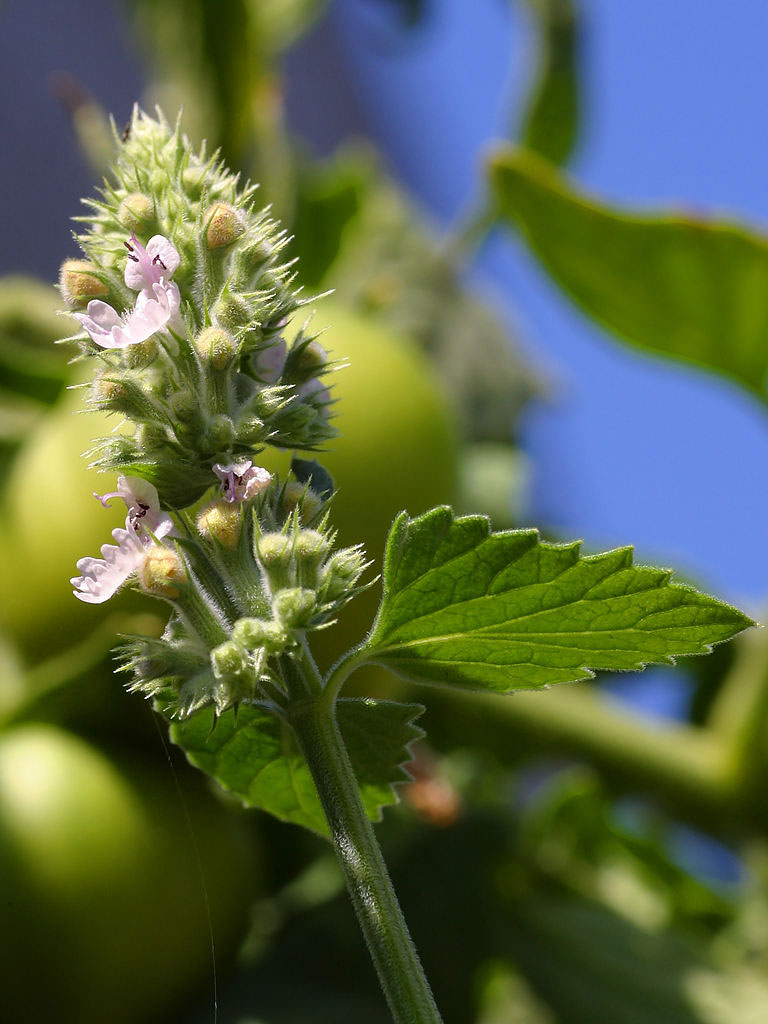
Nepeta sibirica is an erect, aromatic perennial prized for its long season of violet flower spikes from June to September. It carries scent on both foliage and blooms and is native from Siberia to northern China. The plant prefers well-drained soil and tolerates full sun or partial shade. It is classed H5, meaning it is hardy through most of the UK.
Wikipedia contributors, CC BY-SA 4.0 — Nepeta sibirica
About the genus
Nepeta is a genus of flowering plants in the family Lamiaceae. The genus name, from Latin nepeta (“catnip”), is reportedly in reference to Nepete, an ancient Etruscan city. There are 295 accepted species.
Wikipedia contributors, "Nepeta", CC BY-SA 4.0 — Nepeta
In the garden
Nepeta sibirica is a herbaceous perennial from Siberia to northern China that produces violet flower whorls on upright stems and gives off fragrance from both flowers and foliage. Flowering runs from June to September, providing an extended period of interest when placed where its scent can be appreciated. Grow it in a sunny or partially shaded spot with well-drained soil that retains moderate moisture; avoid waterlogged ground. As an H5-rated plant, it is hardy across much of the UK and will tolerate typical winter conditions in most areas. Sit it in a southerly or westerly-exposed bed if you can, where the blooms open best and pollinators are most active. Use Nepeta sibirica in mixed borders to add vertical, scented flower spikes, in rock gardens where good drainage matters, or in pollinator-focused plots to support bees and butterflies. Plant where you can brush past the foliage: both leaves and flowers release scent when disturbed, so paths and seating areas make logical positions. Expect consistent summer display from June to September and cut back spent stems after flowering to keep the clump tidy and encourage fresh growth the following season.
Growing conditions
Best soil and position for Nepeta
- Sunlight
- full sun, partial shade
- Soil type
- well-drained
- Soil moisture
- moderate
- UK hardiness
- H5
Plant details
Nepeta sibirica size, habit and characteristics
- Plant type
- perennial
- Suggested uses
- borders, rock gardens, pollinator gardens
- Native to
- Siberia to N China
- Fragrance
- Flower, Foliage
Care notes
Pruning and caring for Nepeta sibirica
- Cultivation
- Prefers well-drained soil and full sun to partial shade. Drought tolerant once established.
- Pruning
- Cut back after flowering to maintain shape and encourage bushiness.
- Propagation
- Seed, division, softwood cuttings
Frequently asked questions
How do I grow Nepeta sibirica?
Prefers well-drained soil and full sun to partial shade. Drought tolerant once established.
Where is the best place to plant Nepeta sibirica?
Nepeta sibirica prefers full sun and partial shade.
What soil does Nepeta sibirica need?
Nepeta sibirica grows best in well-drained soil. Aim for soil that stays moderate.
How do I prune Nepeta sibirica?
Cut back after flowering to maintain shape and encourage bushiness.
Is Nepeta sibirica hardy in the UK?
Nepeta sibirica has an RHS hardiness rating of H5, meaning it is hardy in most of the UK, tolerating -15 to -10°C.
How do I propagate Nepeta sibirica?
Seed, division, softwood cuttings.
More in the Nepeta genus
- Nepetacatmint
- Nepeta 'Six Hills Giant'catmint 'Six Hills Giant'

- Nepeta Grandiflora

- Nepeta govanianacatmint

- Nepeta grandiflora 'Dawn to Dusk'
- Nepeta racemosa 'Superba'Dwarf Catnip

- Nepeta × faassenii 'Blue Dwarf' ('Blauknirps')Blue Dwarf Catmint

- Nepeta × faassenii 'Variegata'Variegated Catmint